After your embryo transfer: how acupuncture supports implantation
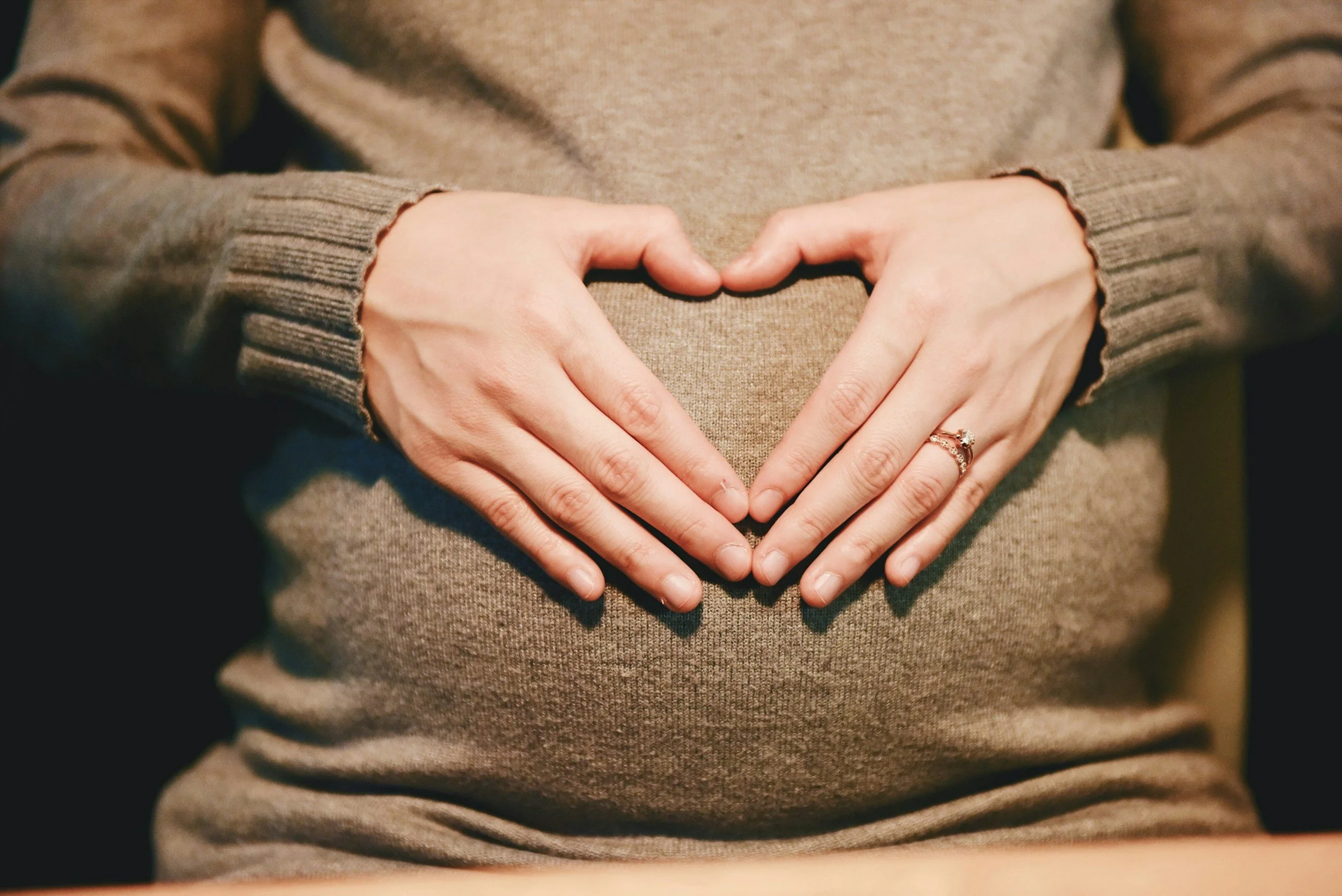
After the transfer: what acupuncture does in the days that feel like forever
The embryo has landed. Now what? Here's what's happening inside — and how we help.
The moment after an embryo transfer is one of the strangest in the entire IVF journey. Something extraordinary has just happened inside your body — and yet from the outside, everything looks completely normal. You go home. You wait. You wonder: is there anything I can actually do right now? The answer is yes. And it's gentler than you might expect.
What's happening inside
In the days after transfer, your embryo is hatching out of its shell, floating through the uterine cavity, and searching for the right spot to land. Implantation usually happens between day 6 and day 10 after a blastocyst transfer.
The uterus is not passive during this time. It's sending signals, adjusting blood flow, softening its lining to receive the embryo — like a bed being carefully turned down. In Chinese medicine, we call this the moment the Bao Gong, the uterine palace, opens to welcome new life. It's a delicate conversation. And anything that disrupts it — cold, stagnation, a nervous system on high alert — can get in the way.
"The embryo doesn't implant because we force it. It implants because the body creates the right conditions of warmth, stillness, and welcome."
What acupuncture actually does
I'm not trying to make implantation happen. I'm removing the obstacles that make it harder for the body to do what it already knows how to do.
Warmth. Cold is one of the oldest enemies of implantation in Chinese medicine — and physiology agrees. Cold contracts blood vessels, reducing circulation to the endometrium at exactly the moment it needs rich perfusion. Points along the lower abdomen, combined with moxa, gently warm the uterine environment and encourage blood to flow.
Stillness. After a transfer, many women are in a state of hyper-vigilance — scanning every sensation, holding their breath. A nervous system on high alert raises cortisol and keeps the uterus in mild contraction. Acupuncture shifts this. Heart rate slows. Breathing deepens. The uterus softens.
The Heart and the Shen. In Chinese medicine, the Heart houses the Shen — our spirit, our emotional center. When the Shen is unsettled, the whole body feels it: sleep fractures, thoughts race. Treating the Heart in this period is not a luxury — a settled Shen creates the conditions for a settled uterus.
In Chinese medicine terms
Implantation needs three things in harmony: sufficient Blood to nourish the lining, Kidney Yang for the warmth that sustains life, and smooth Qi flow so nothing is contracted or stuck. Treatment in this phase is always gentle — always aimed at creating stillness rather than movement.
A word on the waiting
The two-week wait is one of the most psychologically intense experiences I witness in my practice. Hope and fear in the same breath, for days at a time.
What I tell my patients
You cannot control whether this embryo implants. What you can control is the environment you create for it — warmth, rest, nourishment, and stillness. Acupuncture is one part of that. So is a warm bowl of soup, a gentle walk, and permission to stop reading the internet for a few days.
This article is for educational purposes only and does not constitute medical advice. Always consult with your reproductive endocrinologist before beginning any complementary treatment during an IVF cycle.